
SPEAKER & TRAINER
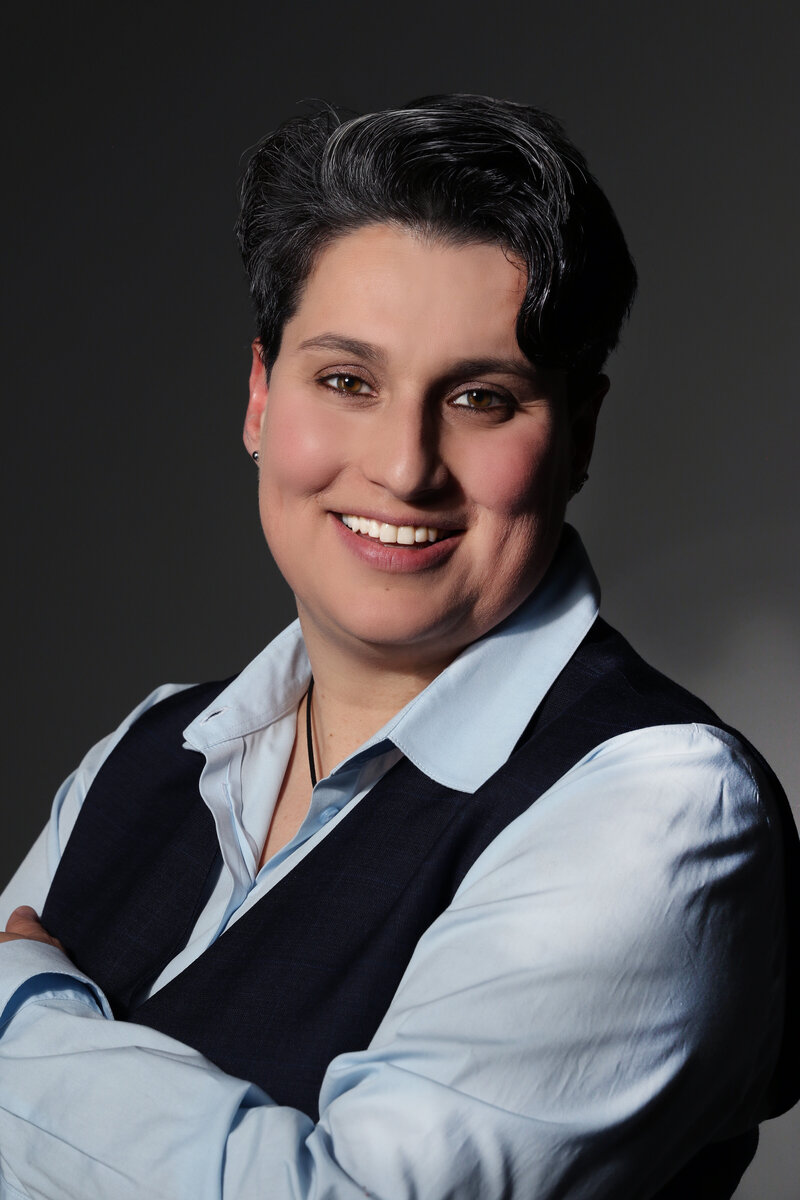
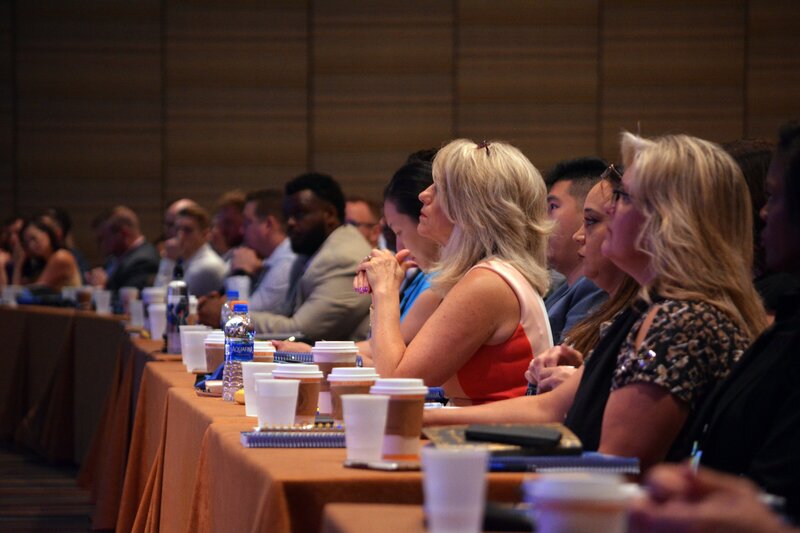
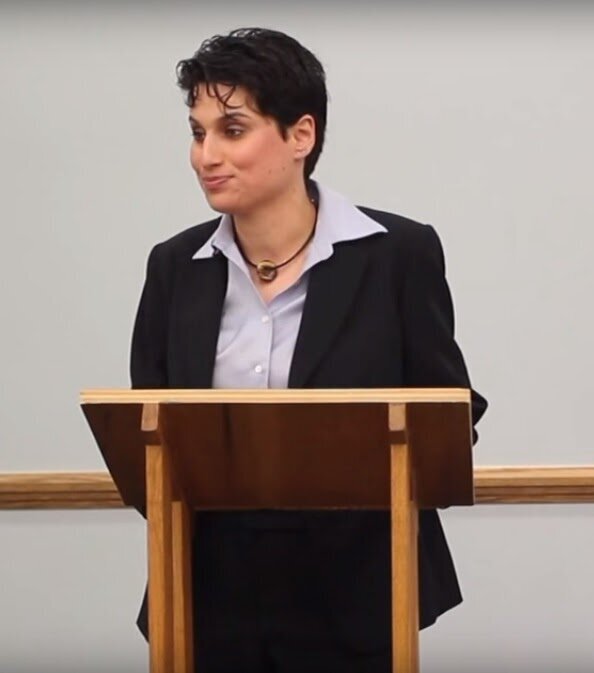
Rev. Chani Getter speaks to groups large and small on self discovery, personal growth, leadership, professional development, and issues relating to diversity, equity, inclusion (DEI), and cultural competence.
In addition to keynote speeches, Rev. Chani offers a variety of workshops and trainings, tailoring each to the group's audience, purpose, and primary learning objectives.
Services Include:
+ Keynote speech on inclusive leadership
+ Training on non-binary language
+ Workshop on LGBTQIA+ psychology
+ Continuing education course on cultural competence course in healthcare
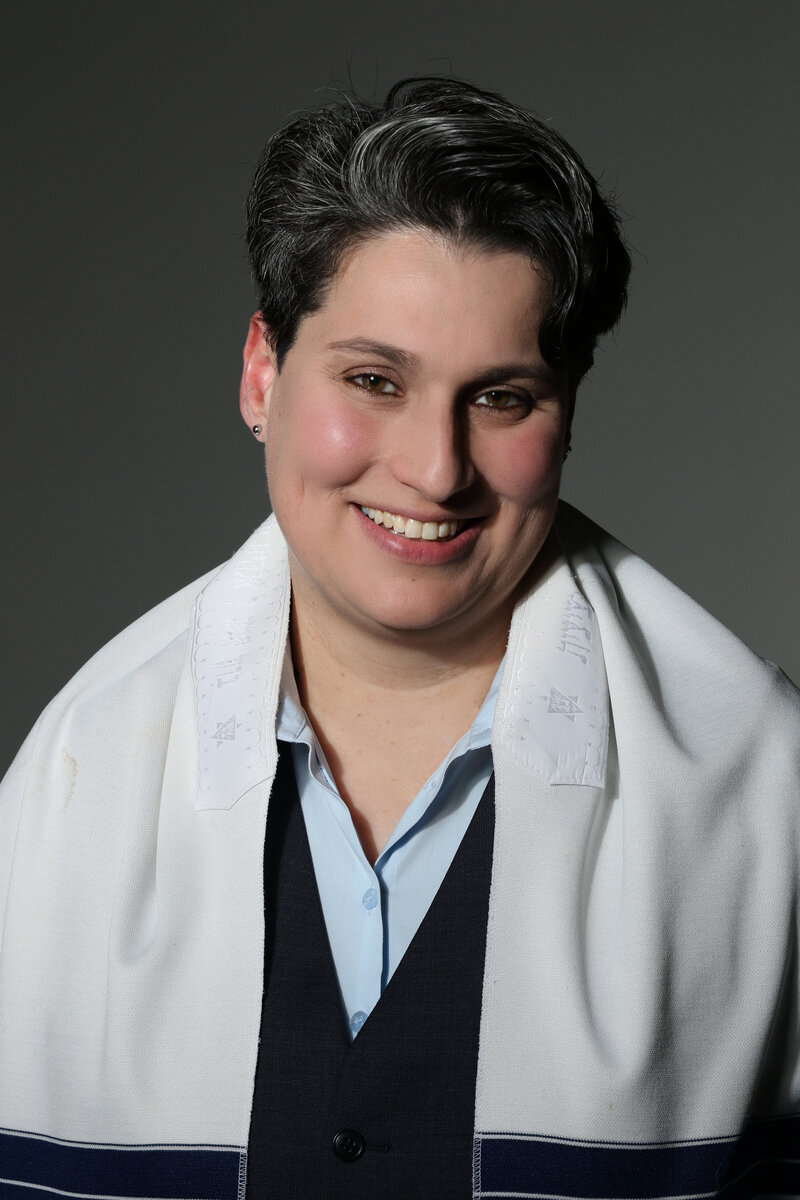
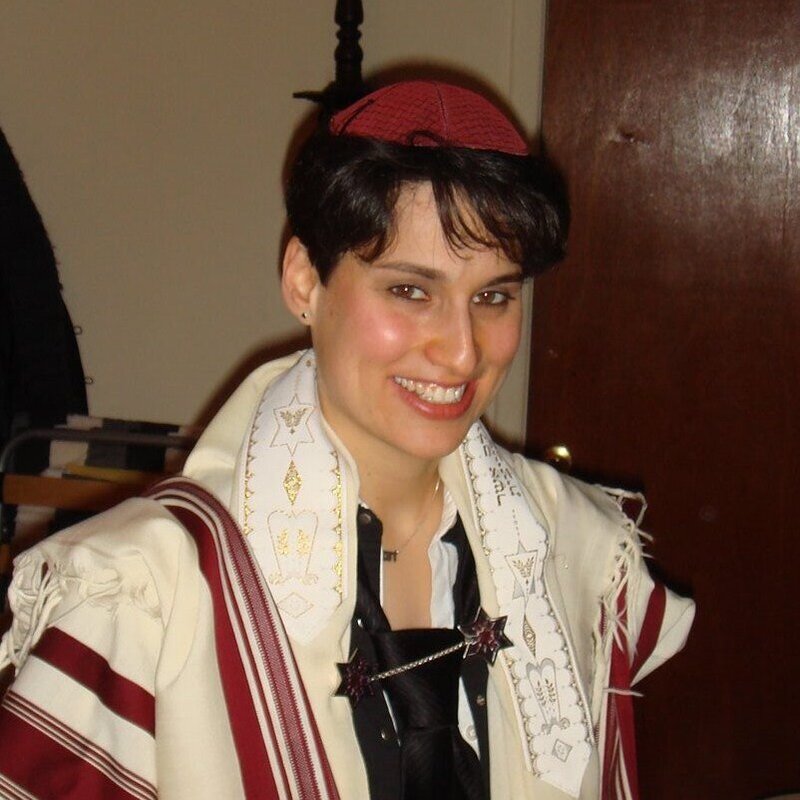
Rev. Chani Getter is a beloved spiritual teacher and ordinated interfaith minister.
Fluent in English, Yiddish, and Hebrew prayers, Rev. Chani leads sermons, prayer services, workshops, rituals, and ceremonies that welcome, empower, and inspire every person in the room (or on Zoom).
Spiritual Services include:
+ Candle lighting and prayer service
+ Interfaith sermons
+ Dvah Torah
+ Workshop
+ Half-Day Program
+ Shabbat Program
SPIRITUAL LEADER
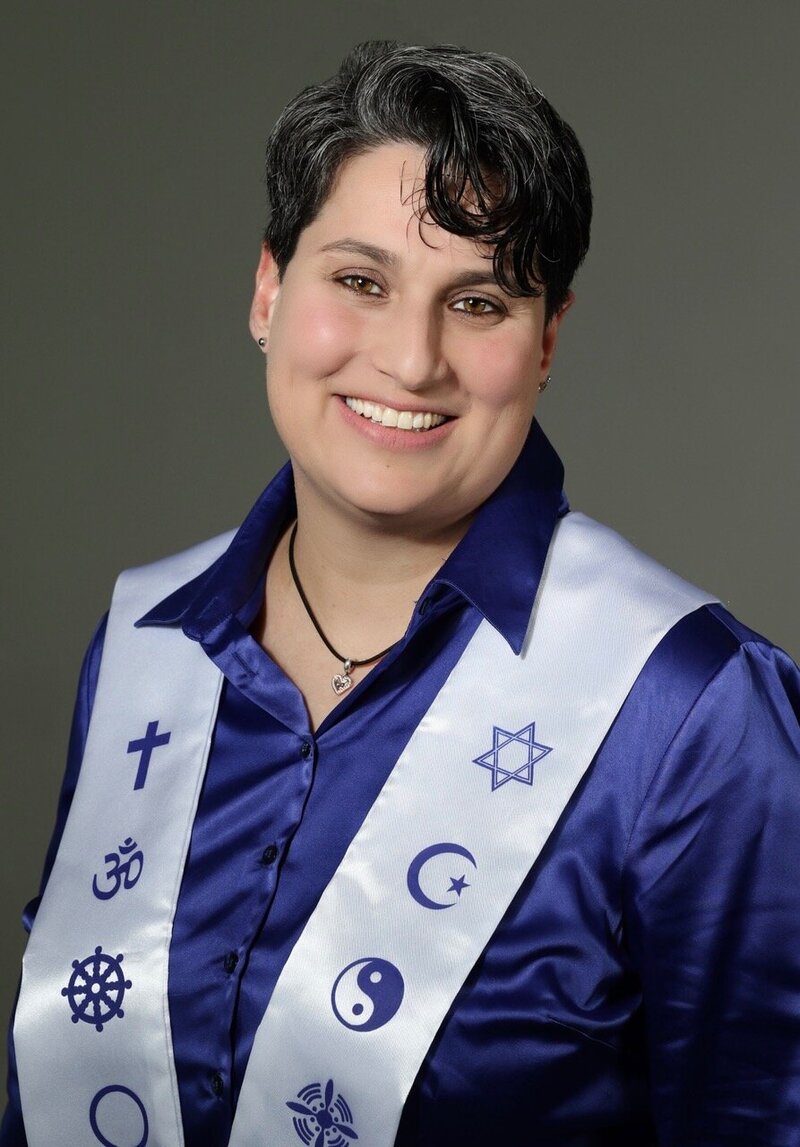
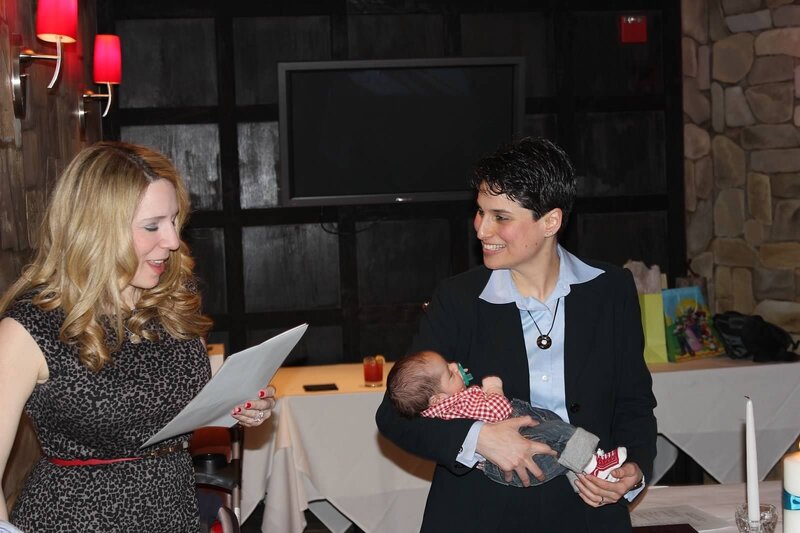
Whether planning an interfaith wedding, preparing for a B-Mitzah, or planning a funeral, Rev. Chani Getter is honored to help families create sacred gatherings and hold their community in celebration or mourning, exactly as they wish.
Ministry Services Include:
+ Traditional services
+ Modern life-cycle events
+ Premarital counseling
+ Spiritual counseling
+ Interfaith family counseling
+ Jewish teachings
+ Trauma-informed psychotherapy
clergy & counselor
Booking packages designed for
- workshop attendee
"In a little over an hour of teaching and conversation, I had new tools and new ways of being in the world. That's pretty amazing and that's what Rev. Chani brought to the workshop."
- m.h.
"What started as a group of strangers sitting uncomfortably in a circle ended with profound sharing and connection. That's what happens when Rev. Chani facilities a training or workshop."
- client
“Chani has been the single strongest force in my life to help me improve things in my life. What Chani has done for me is empower me to be myself and trust myself and be aware of myself. To having a sense of identity. To being an autonomous self. Chani is just wonderful.”
- F
"Whatever it is you bring, Rev. Chani will create a place of non-judgement, a place where you will feel safe, seen and heard."
- therapy client
Chani Getter is the reason I live an authentic life today. Chani has been a steady, compassionate force in my life. Chani has helped me through darkness and has never once judged me for it. Chani’s work is professional, brilliant, and so very warm. Chani is a healer. It has always been difficult for me to find a therapist I can trust. Chani is that therapist-Chani's deep understanding of me and of the human psyche is astounding.
- congregant
"Rev. Chani is such a wonderful human. I just love how encouraging and incredibly honest they are.
What a blessing this was."
- client
“I’ve been to therapy and gone to coaches and workshops but I never had an experience where someone got to the core so consistently. You can talk for 10 minutes straight and Chani will respond with the one question that cuts to the chase. “
- workshop attendee
“Chani’s workshop was illuminating and powerful. Chani transformed a room full of strangers into a safe space where we could sit with our feelings and let go of the burdens we carry.”
- coaching client
I have been able to successfully manage and/or eliminate toxic relationships in my life as a direct result of Chani’s support. In our sessions, I did not hesitate to be my genuine self and express my honest truths. Chani coached and counseled me with accurate and genuine insight, humanity, respect, and warmth. I am so grateful.
- workshop attendee
Such ministry Rev. Chani extended! They didn't "other" anyone but met each person with authenticity and accurate information. In so doing, Rev. Chani demonstrated a profound lesson to me in setting boundaries and offering compassion - for oneself and one's community.
- workshop attendee
"I felt like Rev. Chani invited me into their sacred space with sharing Jewish rituals with me. I loved each of them. However, I experienced a profound rush of emotions and was moved to tears with no words to express the awe I felt during the Tefflin ritual. My father use to say “tears are the language the mind cannot lay hold of yet." That is how I felt, no words and sacred space. What a generous gift."
- conference attendee
In a day when we were listening to one lecture after another, you were the only one that invited us to pause, to notice our bodies, to drop in, before you began to speak. All of a sudden it wasn’t just another lecture. I could actually hear what you were saying and it changed the entire day for me. Thank you.
- CONGREGANT
"Oh my G-d that was amazing. What a person Rev. Chani is. The reminder that everyone has a longing and that everyone has a story has changed the way I will relate to human beings forever."
- client
“Thanks to Chani’s guidance, I have a new sense of who I am. I trust my feelings and ideas to a much better extent than I did before. I still have a way to go. I am more confident about who I am and what I feel. I have been able to set boundaries to have healthy relationships. What Chani gave me has really helped me change my life.”
- client
“I know that when I set up a session with Chani, I can expect to achieve clarity, gain strength and courage to follow my dreams."
- workshop attendee
“Chani’s message speaks to the heart. It is one of inclusion, compassion, joy, and self-inquiry and explores core issues that affect the meaning and well-being of our lives.”